Skip to content
Heart Care Initiative
Donate

Every child deserves guidance, care and the chance to grow in safety and dignity.

We educate young people, especially vulnerable adolescent girls, about risk behaviour, HIV and stigma, and help families, schools and communities become the support they need.

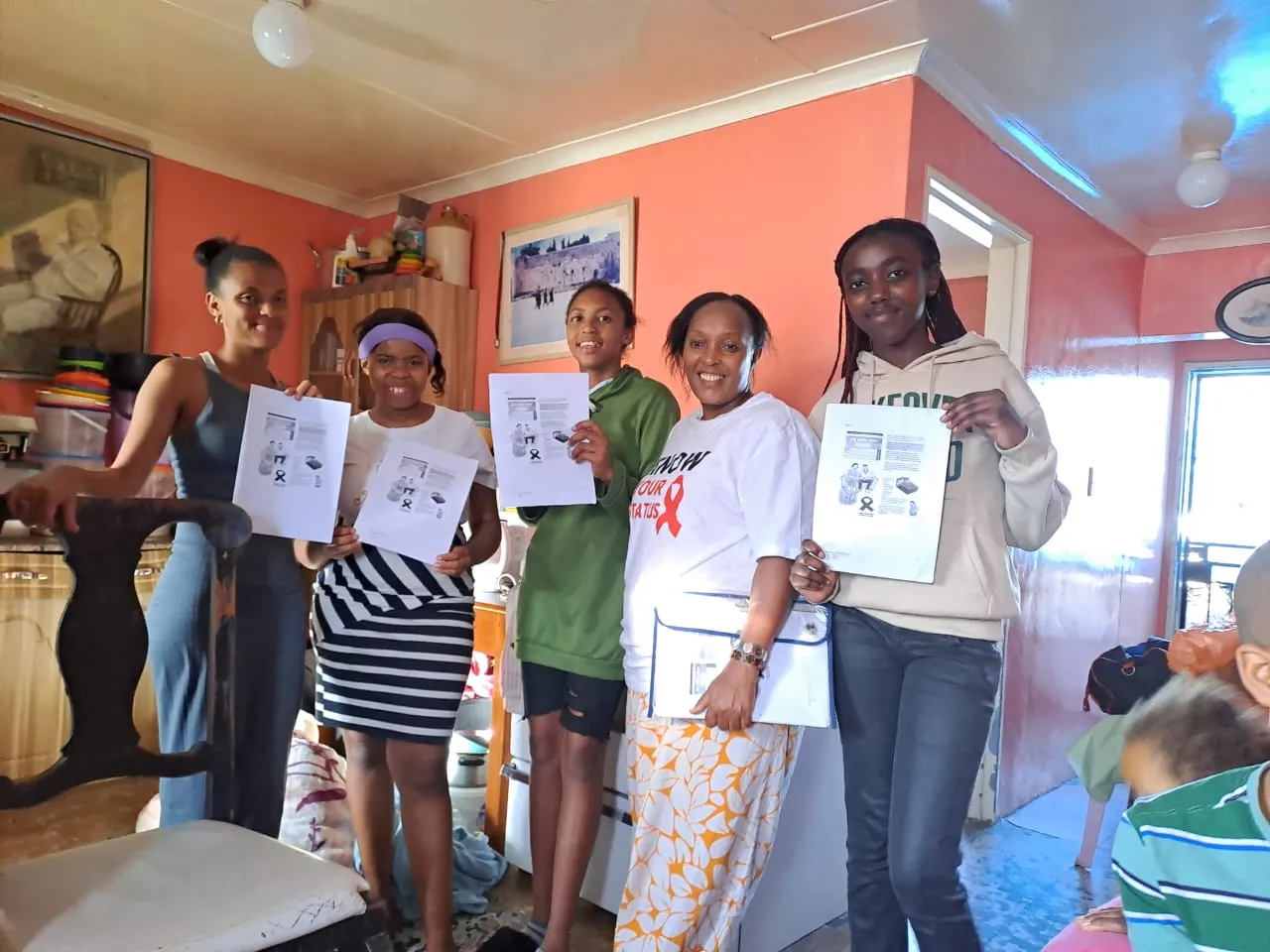
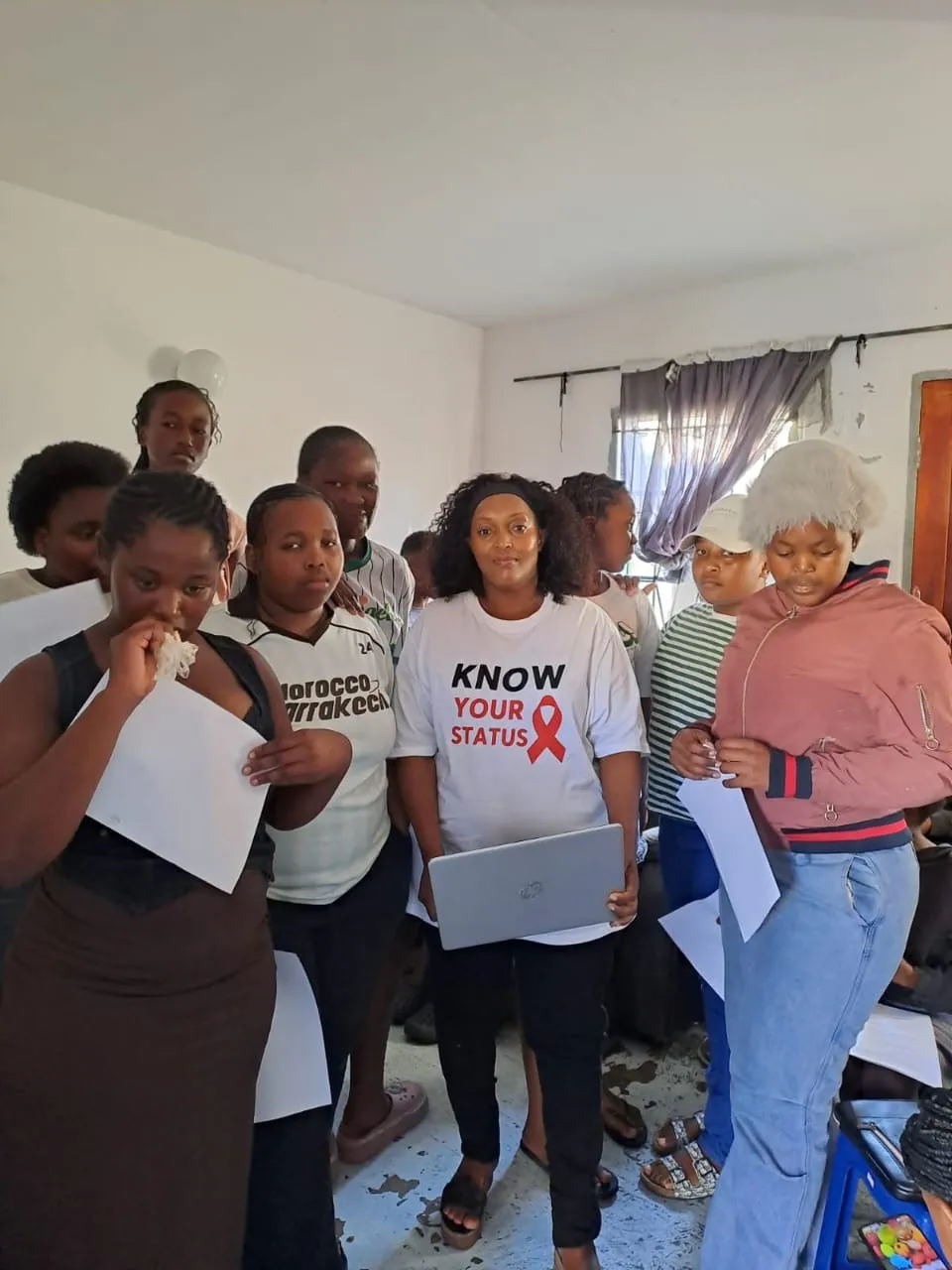
Girls proudly holding educational handouts with a Heart Care Initiative facilitator

01 — Why this matters

Many young people are growing up without the guidance they need.

Across many communities, vulnerable children face risks that shape their future health and well-being. Those raised without strong parental guidance, or in unstable homes, are more exposed to early sexual activity, age-disparate relationships and gaps in what they know about HIV.

Poverty, gender inequality, social exclusion and the constant pressure of social media deepen these challenges, and stigma stops many from seeking help. Our work rests on three pillars.

  1. 01

    Risk behaviour

    Poverty, peer pressure, the pressures of social media, transactional and age-disparate relationships, and limited sexuality education leave many vulnerable young people with little power to make safe choices. We build knowledge and confidence, and help the adults around them do the same.

  2. 02

    Stigma

    Fear of being labelled, or simply of being seen at the clinic, keeps young people living with HIV away from treatment and sometimes from school. We challenge outdated beliefs and open honest conversation across generations.

  3. 03

    Support systems

    Help exists, but it is uneven and often hard to reach. Many young girls have no transport to get to the clinic and collect their medication, so treatment is missed. We work alongside families, schools, clinics and community leaders so that no young person has to manage alone.

02 — About us

By raising awareness of these risk behaviours, we can break down barriers, protect vulnerable children and build stronger support systems in families, schools and communities.

Justine Katushabe, Founder

It began with listening.

For her honours research at UNISA, our founder, Justine Katushabe, set out to understand what adolescent girls living with HIV face, and who stands beside them. What she learnt convinced her that education and stronger support could not wait, and that they are still needed in the community.

Heart Care Initiative is a South African non-profit based in Cape Town. We exist to help young people, especially vulnerable adolescent girls, grow up informed, supported and free from stigma.

Based in
Cape Town, South Africa
Founded by
Justine Katushabe
Focus
Vulnerable children and adolescent girls

Our mission

To educate young people, especially adolescent girls, about risk behaviour, HIV, age-disparate relationships and stigma, and to build stronger support systems in families, schools and communities.

Our vision

A South Africa where every young person can grow up in safety and dignity: informed, supported and free from stigma.

Our values

  1. 01

    Dignity

    We use person-first, non-shaming language, and treat every young person as the expert on their own life.

  2. 02

    Listening

    Our work began with listening, and it continues that way: to young people, families, health workers and community leaders.

  3. 03

    Honesty

    We talk openly about sex, HIV and relationships, because silence leaves young people without the facts they need.

  4. 04

    Partnership

    We work alongside clinics, schools, families and traditional and faith leaders, never around them.

  5. 05

    Care in practice

    Education goes further when basic needs are met, so we offer practical support alongside every conversation.

How we work

Care first. Then the conversations that change choices.

  1. 01

    Nourish

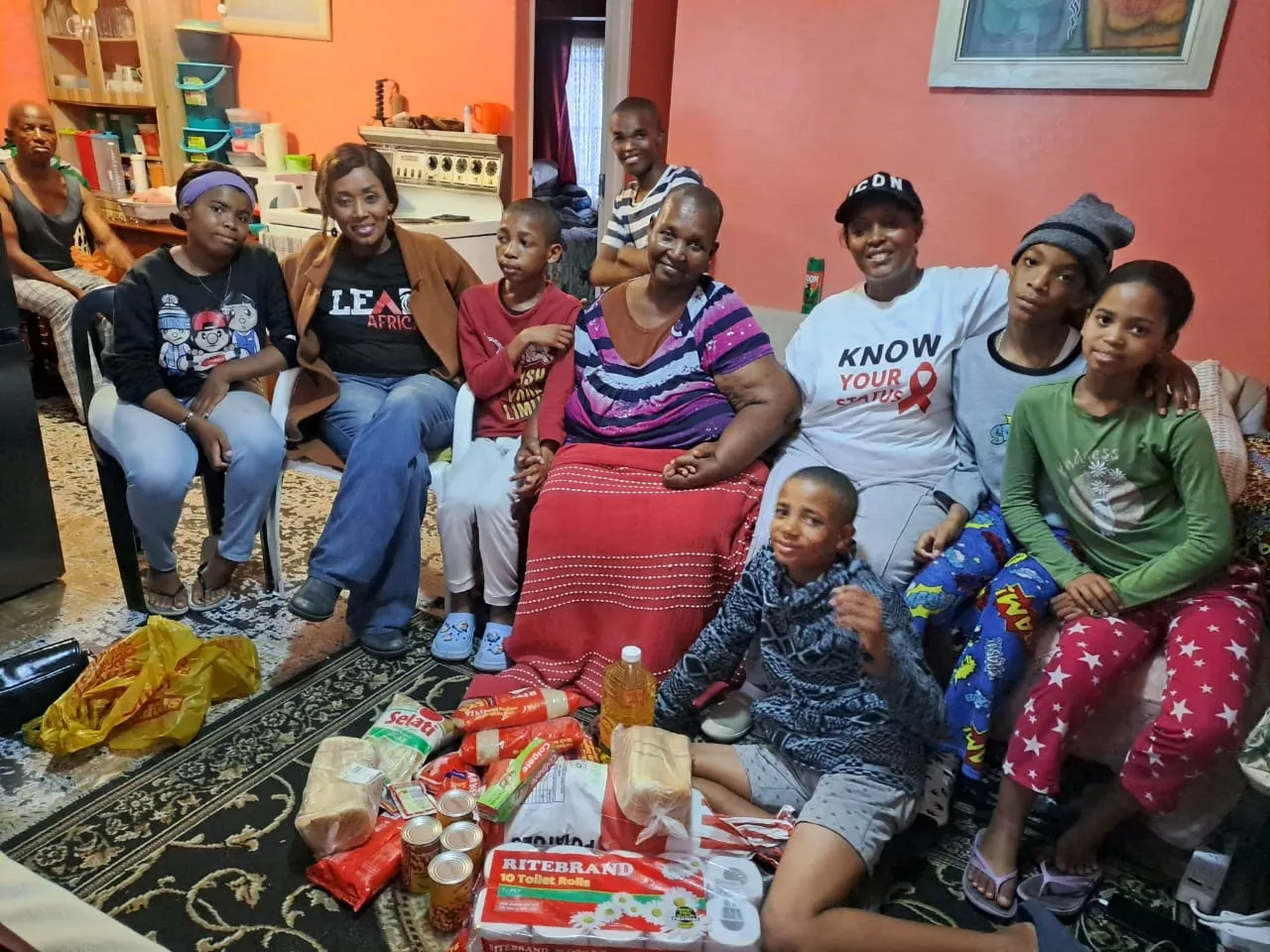
    Food parcels and home visits meet basic needs first, because you cannot speak to a child on an empty stomach.

  2. 02

    Educate

    Honest, age-appropriate guidance on risk behaviour, relationships, social media, HIV and stigma.

  3. 03

    Connect

    Linking young people and families with clinics, schools and community support, so no one manages alone.

03 — Our work

Education, dialogue and practical support.

Through workshops, home visits, community dialogues and food parcels, we meet young people where they are: in schools, homes and community spaces.

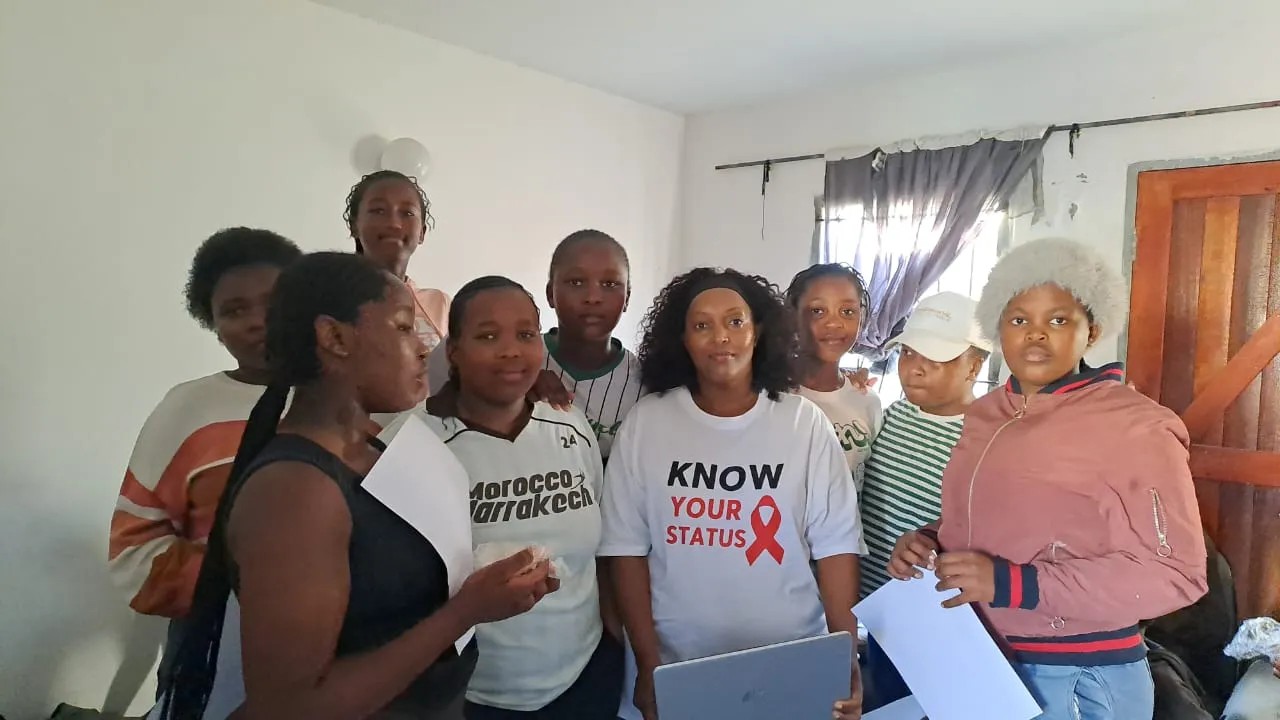
Girls standing together with their facilitator after a workshop

01

Risk-behaviour education

ForYoung people, especially vulnerable adolescent girls

Why it matters

Poverty, peer pressure, the pressures of social media, transactional and age-disparate relationships, and limited sexuality education leave many young people with little power to make safe choices, including negotiating condom use.

What it involves

  • Age-appropriate sessions on relationships, consent, and HIV and STI prevention
  • Talking honestly about social media: comparison, online pressure and staying safe when contacted by strangers
  • Building the confidence to say no and to negotiate safer choices
  • Information on where to find youth-friendly health services
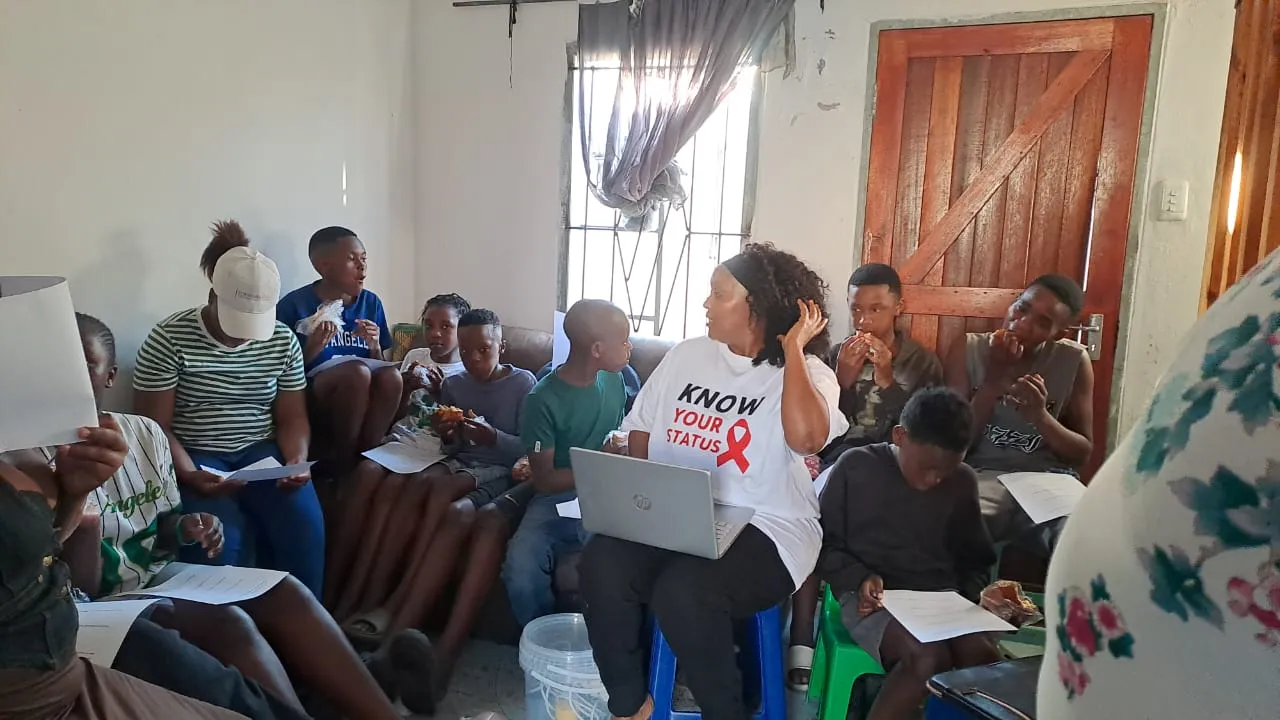
Facilitator leading a risk-awareness workshop with teenagers
In the room
We meet young people where they are, in homes, schools and community spaces, and talk honestly about the choices they face.

02

HIV awareness and stigma reduction

ForYoung people, families and the wider community

Why it matters

Young people living with HIV can be labelled and mocked by their peers, and the fear of being seen at the clinic leads some to miss treatment. Stigma can also leave young people feeling isolated, anxious and alone.

What it involves

  • Accurate, up-to-date information about HIV, testing and treatment
  • Conversations that challenge myths, labels and outdated beliefs
  • Encouraging person-first, non-shaming language at home, at school and in the community

03

Practical support and food parcels

ForYoung people and the families who care for them

Why it matters

It is hard to focus on safe choices, school or treatment when there is not enough food at home, and many families also struggle with the cost of getting to the clinic. Meeting basic needs opens the door to honest conversation.

What it involves

  • Food parcels for families who need them
  • Home visits where nourishing meals open the door to guidance on risk behaviour, HIV and staying on treatment
  • Connecting families with clinics, social services and other support in the community
Heart Care Initiative volunteers visiting a family at home
Why food comes first
We support vulnerable children with food because you cannot speak to them on an empty stomach, using these nourishing meals to capture their attention and provide vital guidance on the risk behaviours they may face as they grow.

04

Family and community dialogues

ForParents, caregivers, elders, and traditional and faith leaders

Why it matters

Older community members sometimes hold outdated beliefs about HIV, and some young people stop treatment in favour of traditional or faith remedies, returning later very ill. Real change needs the whole community in the conversation.

What it involves

  • Open dialogues for all ages on sex, HIV, age-disparate relationships and gender-based violence
  • Conversations with traditional healers and faith leaders on how cultural practice and treatment can work together
  • Helping parents and caregivers talk with their children about relationships, social media and health

05

School workshops

ForLearners, educators and school communities

Why it matters

School is where peer pressure and stigma are often felt most, and some girls living with HIV leave school altogether. Sexuality education is often limited.

What it involves

  • Interactive workshops that complement Life Orientation lessons
  • Helping educators respond to stigma and support learners with confidence
  • Clear routes to clinics, counselling and other support

04 — Get involved

There is a place for you in this work.

Whether you can give time, open your school or clinic, or bring your company alongside us, you can help young people grow up informed, supported and free from stigma.

Volunteer: give your time and skills.

Volunteers help us reach more young people and families. Tell us a little about yourself and we will be in touch about where you could fit.

Ways volunteers can help

  • Helping at workshops and community sessions
  • Packing and delivering food parcels
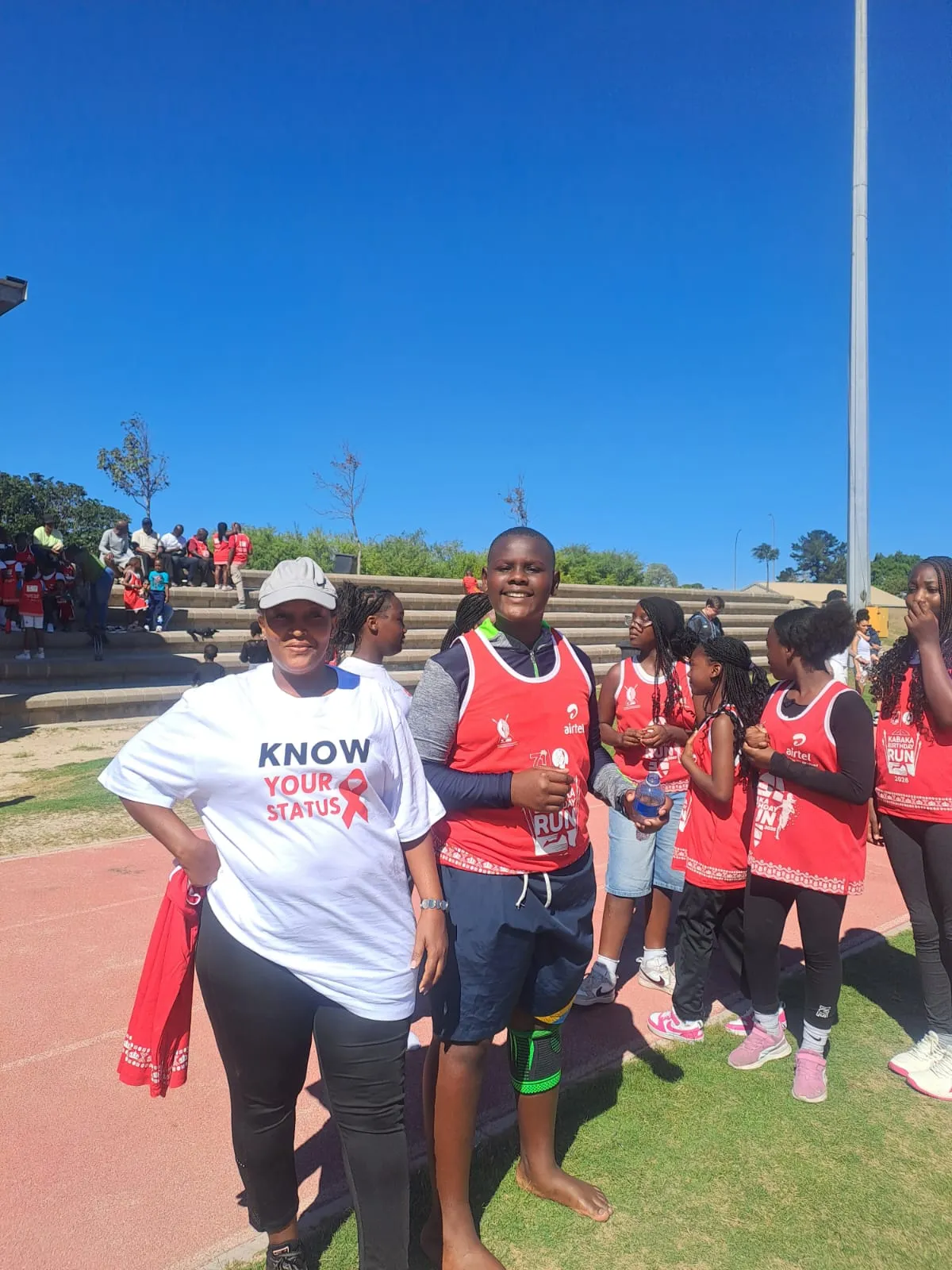
  • Supporting community events, such as fun runs
  • Sharing professional skills, such as health, counselling, education or design
  • Behind-the-scenes help with admin, fundraising and communications
Heart Care Initiative volunteer with young runners at a community fun run

Volunteer with us

Send us a message to tell us a little about yourself and how you would like to help, and we will be in touch about where you could fit.

Partner with us

Bring education and support to the young people you serve.

Young people do best when community organisations, schools and the health system work together. We would like to build those partnerships with you.

  • Schools

    Host workshops for learners, and work with us to support educators in responding to stigma.

  • Clinics and health partners

    Work with us on routes between clinic, school and home, so that young people stay on treatment.

  • Corporate CSI teams

    Fund a programme or food parcels, support learning materials or community events, or offer your team’s skills and time.

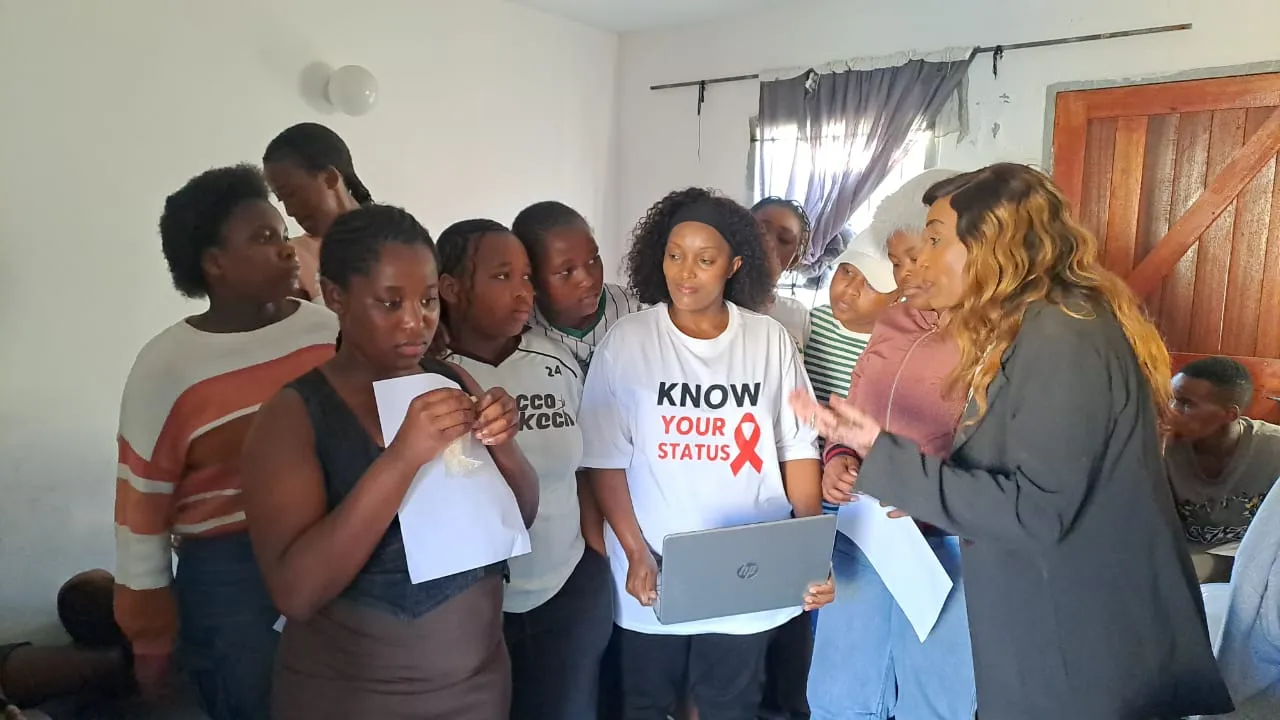
Facilitators in discussion with girls during a workshop

Start a conversation

Tell us about your school, clinic or company and how you would like to work together, and we will set up a time to talk.

06 — Contact

We would love to hear from you.

Questions, ideas or a way to help? Call us, email us or send a message below, and we will get back to you.

Based in
Cape Town, South Africa

Send us a message

The quickest way to reach us is on WhatsApp. You can also call or email, and we will get back to you as soon as we can.